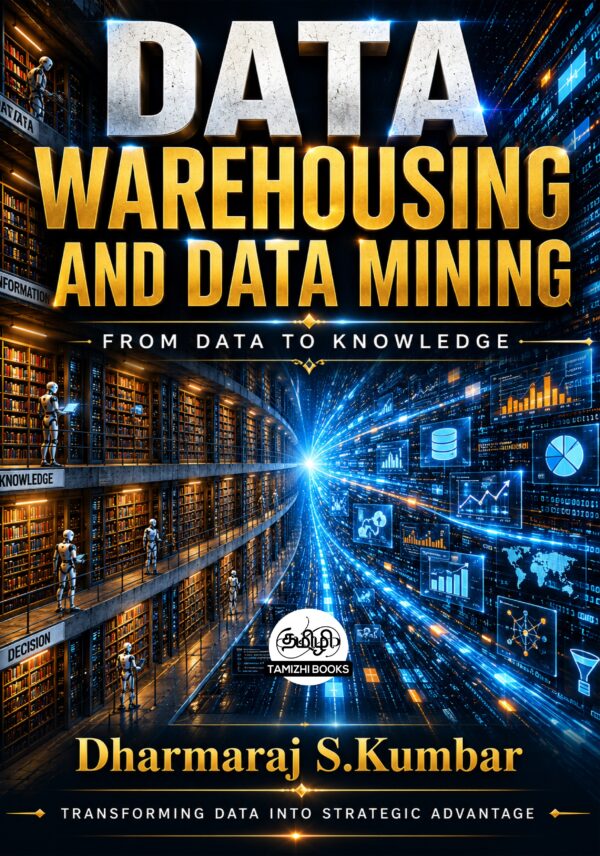
Data Warehousing and Data Mining
From Data to Knowledge
Author: Prof. Dharmaraj S. Kumbar
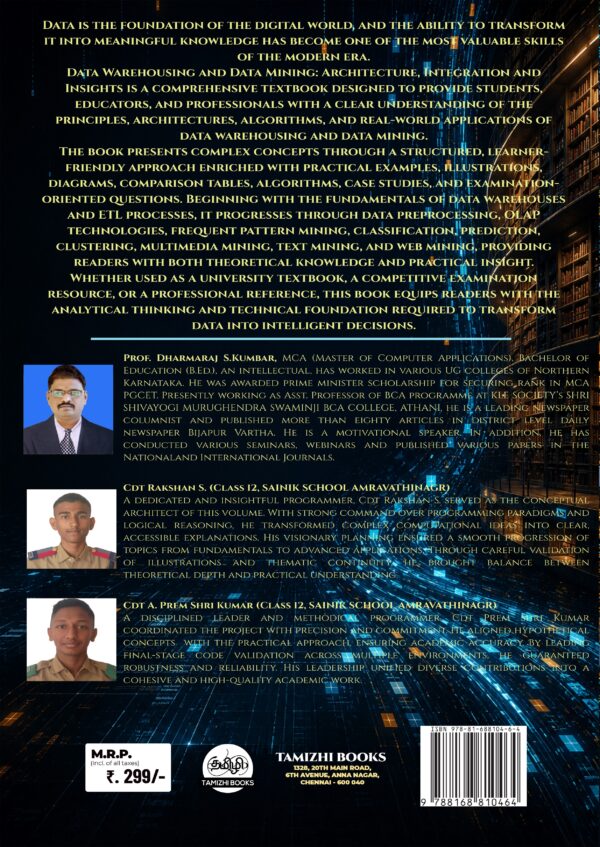
Data Warehousing and Data Mining: From Data to Knowledge by Prof. Dharmaraj S. Kumbar is a comprehensive academic textbook designed to provide students, educators and professionals with a structured understanding of the principles, architectures, techniques and applications of data warehousing and data mining.
In the modern digital era, organizations generate enormous volumes of data from databases, business applications, websites, multimedia platforms and other digital systems. The ability to organize this data, discover meaningful patterns and transform information into actionable knowledge has become an essential technical and analytical skill. This book provides a systematic introduction to the technologies and methodologies used to achieve that transformation.
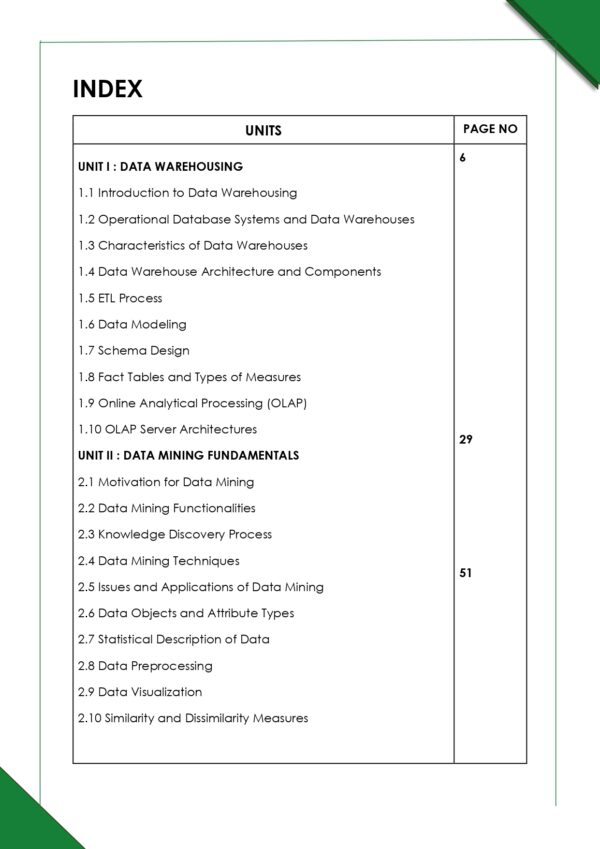
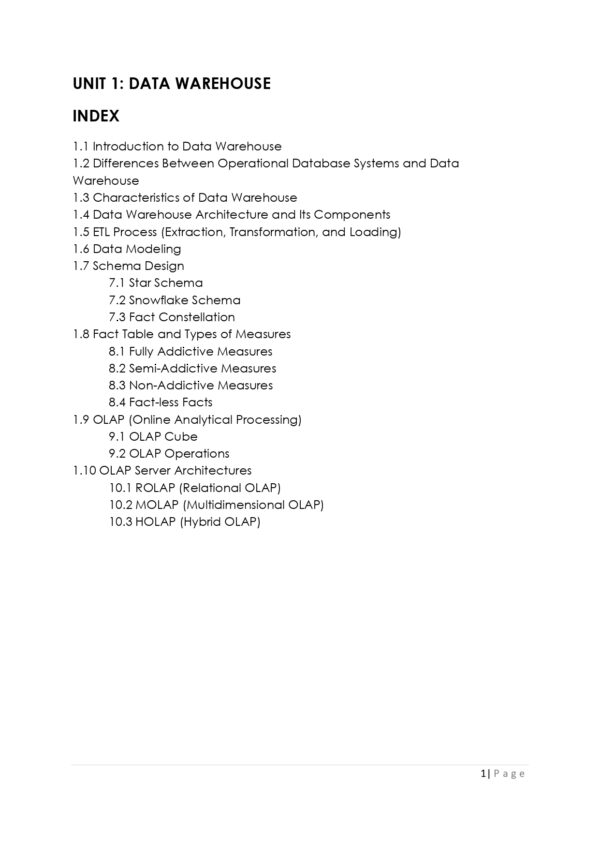
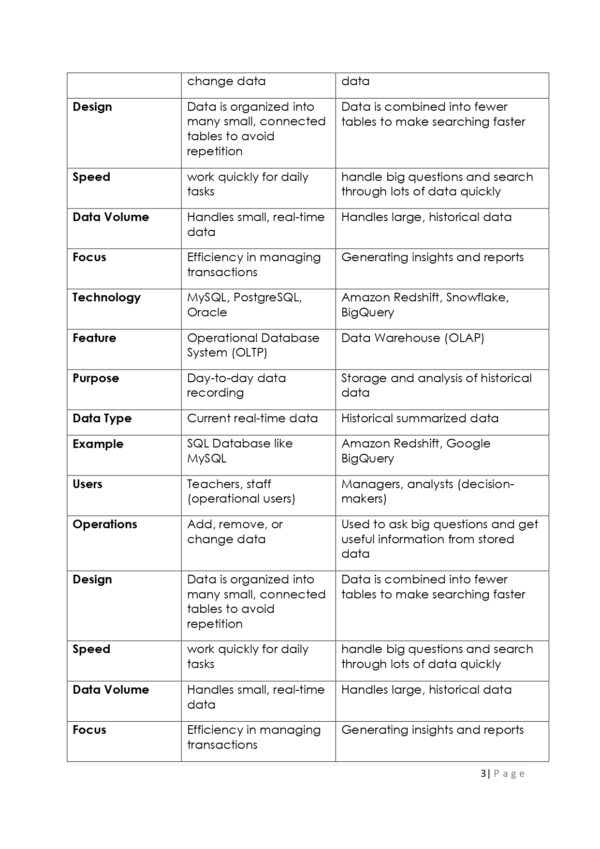
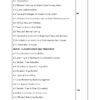
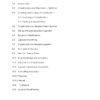
The book begins with the fundamentals of Data Warehousing, explaining the purpose and characteristics of data warehouses and the differences between operational database systems and analytical data warehouses. It covers data warehouse architecture, components, ETL (Extract, Transform and Load), data modeling and schema design, including Star Schema, Snowflake Schema and Fact Constellation.
Readers are introduced to fact tables and different types of measures, including fully additive, semi-additive and non-additive measures, followed by a detailed discussion of Online Analytical Processing (OLAP). The book explains OLAP cubes, OLAP operations and major OLAP server architectures, including ROLAP, MOLAP and HOLAP.
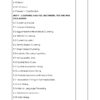
The second unit introduces the fundamentals of Data Mining. It examines the motivation for data mining, data mining functionalities, the Knowledge Discovery Process and major data mining techniques. The book also addresses data objects and attribute types, statistical descriptions of data, data preprocessing, data visualization, and similarity and dissimilarity measures.
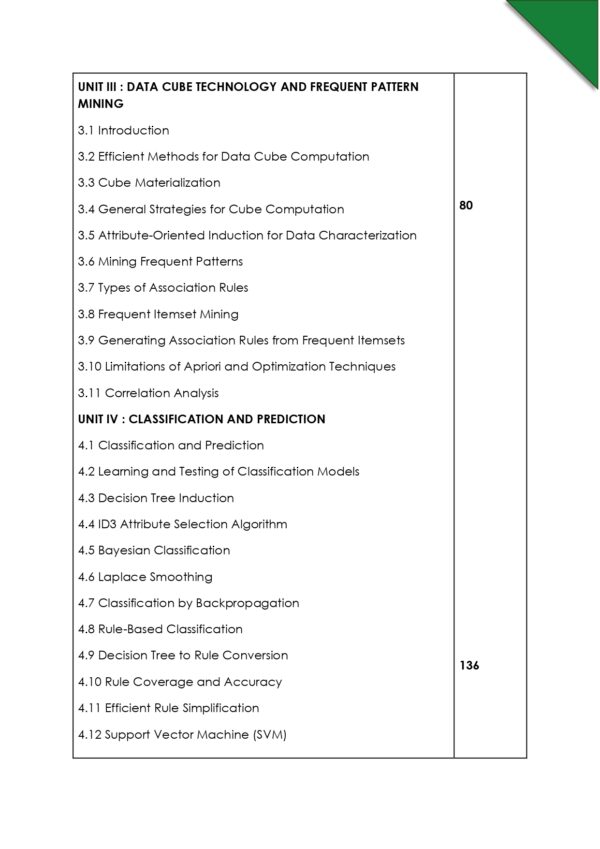
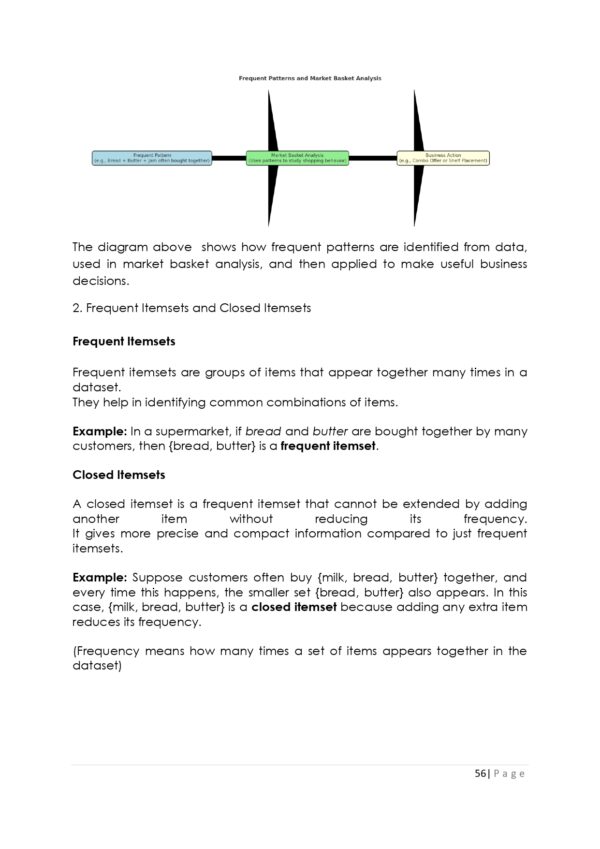
The book then moves into Data Cube Technology and Frequent Pattern Mining, covering efficient methods for data cube computation, cube materialization, general strategies for cube computation and attribute-oriented induction. Readers explore frequent pattern mining, association rules, frequent itemset mining, association rule generation, Apriori limitations, optimization techniques and correlation analysis.
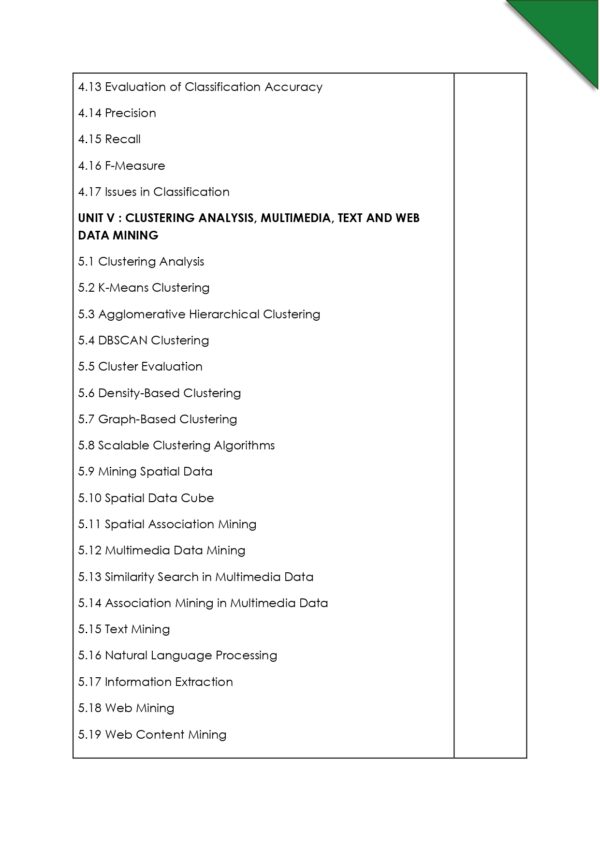
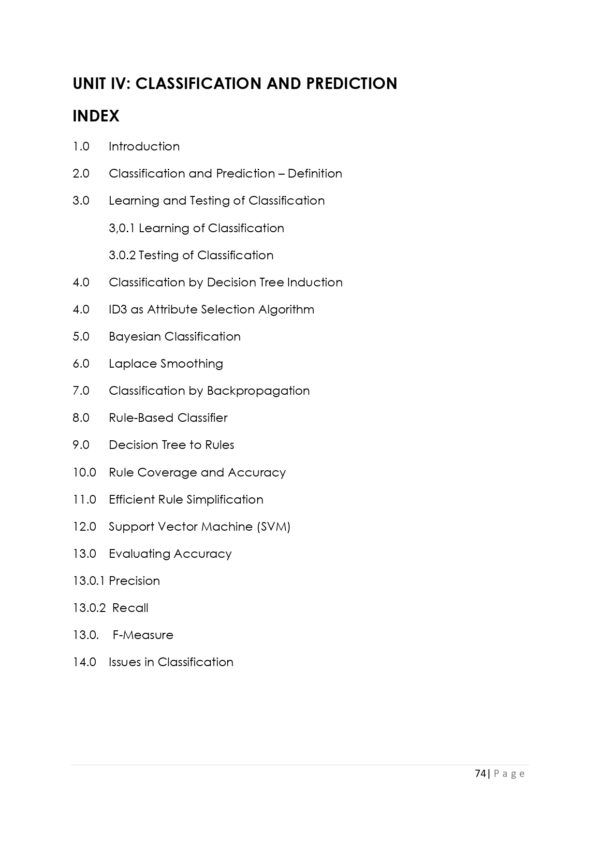
A major section is dedicated to Classification and Prediction, providing an overview of classification models and their learning and testing processes. Topics include Decision Tree Induction, ID3 attribute selection, Bayesian Classification, Laplace smoothing, classification by backpropagation, rule-based classification, decision-tree-to-rule conversion, rule coverage and accuracy, rule simplification and Support Vector Machines (SVM).
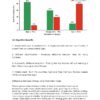
The book also explains how classification models can be evaluated using measures such as accuracy, precision, recall and F-measure, while discussing issues that may arise during classification.
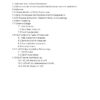
The final unit expands the scope of data mining into Clustering Analysis, Multimedia Data Mining, Text Mining and Web Mining. Readers are introduced to K-Means clustering, agglomerative hierarchical clustering, DBSCAN, density-based clustering, graph-based clustering, scalable clustering algorithms and cluster evaluation.
The book further explores spatial data mining, including spatial data cubes and spatial association mining, before moving into multimedia data mining and similarity search. The text mining section introduces Natural Language Processing (NLP) and information extraction, while the web mining section covers Web Content Mining, Web Structure Mining and Web Usage Mining.
With its five-unit structure and broad coverage of core concepts, algorithms and analytical techniques, Data Warehousing and Data Mining: From Data to Knowledge can serve as a useful resource for university students, computer science and information technology learners, educators, examination candidates, data professionals and readers seeking a systematic introduction to data warehousing and data mining.
The book connects foundational theory with practical analytical thinking, helping readers understand how raw data can be organized, processed, analyzed and transformed into meaningful knowledge for intelligent decision-making.