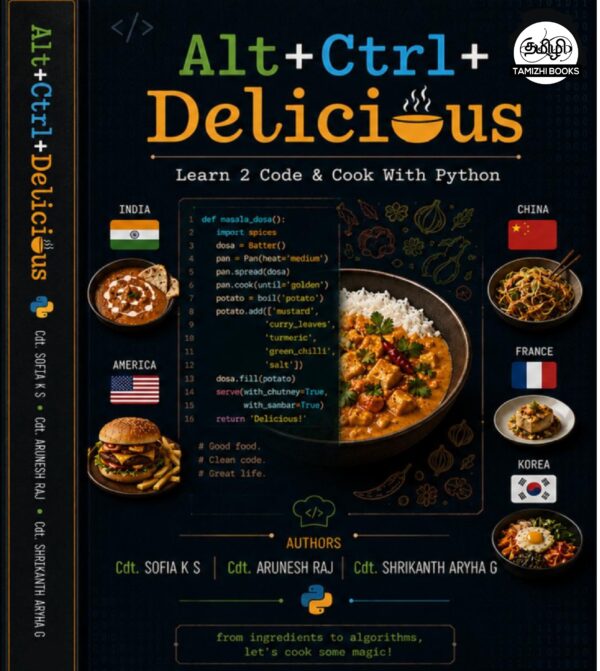
Alt+Ctrl+Delicious by Cdt Sofia K S Cdt Arunesh Raj Cdt Shrikanth Aryha G
Learn 2 Code & Cook With Python
Authors: Cdt Sofia K S, Cdt Arunesh Raj & Cdt Shrikaanth Aryha G
Alt+Ctrl+Delicious: Learn 2 Code & Cook With Python is a creative and practical introduction to Python programming through the world of food and recipes. Combining programming concepts with culinary examples, the book presents Python as a tool for organizing information, processing data, designing applications and solving practical problems.
Instead of learning Python only through abstract programming exercises, readers explore programming concepts through a recipe-based application that brings together ingredients, measurements, recipe data, search functions, classification logic and user interaction.
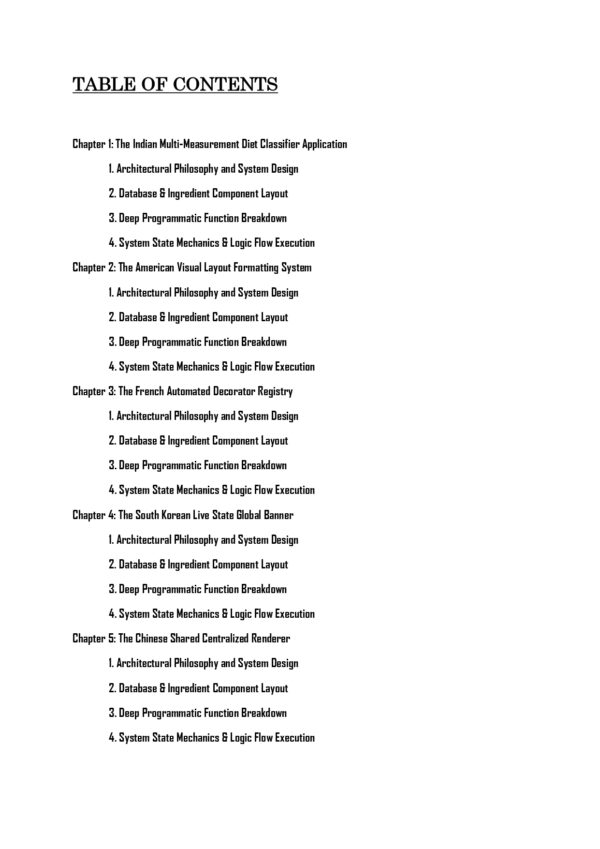
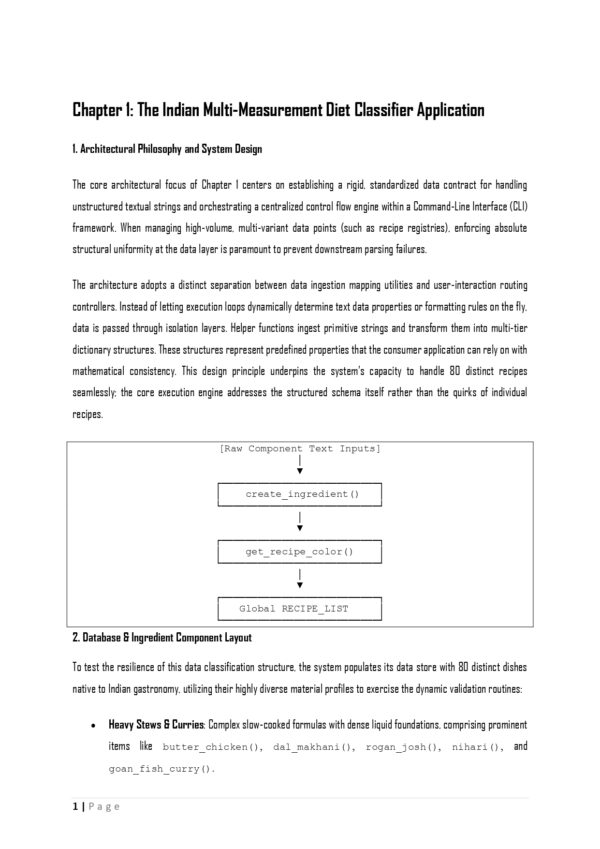
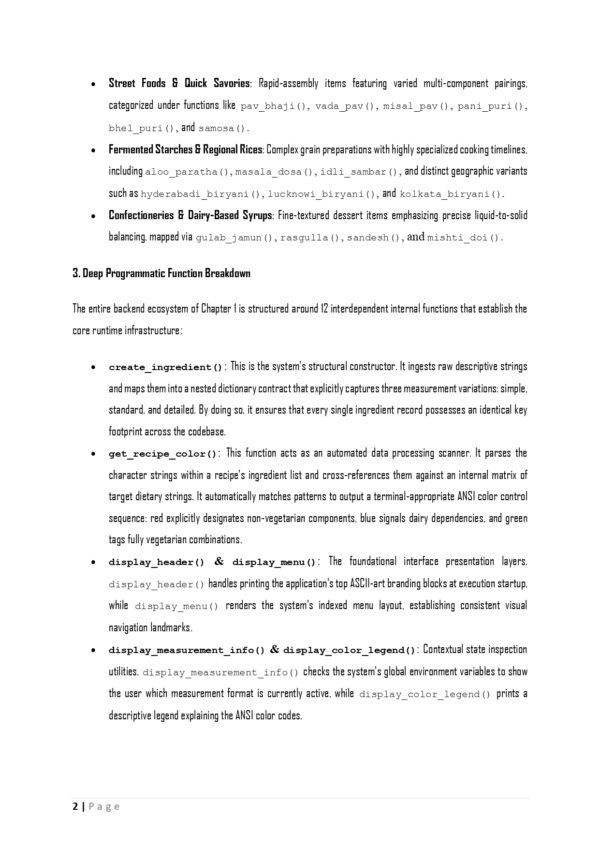
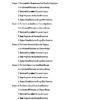
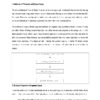
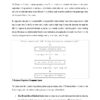
The book begins with The Indian Multi-Measurement Diet Classifier Application, introducing the architectural thinking behind a Python command-line application. Readers explore system design, structured data contracts, database and ingredient organization, program functions, state management and logic flow. The Indian recipe dataset provides a practical context for understanding how a Python program can manage a large collection of structured food information.
The Indian section demonstrates how recipe and ingredient information can be organized using Python data structures and functions. Examples include dishes such as butter chicken, dal makhani, rogan josh, nihari, pav bhaji, vada pav, misal pav, pani puri, bhel puri, samosa, masala dosa, idli sambar, hyderabadi biryani, lucknowi biryani, Kolkata biryani, gulab jamun, rasgulla, sandesh and mishti doi.
Readers are also introduced to a multi-measurement system, showing how the same recipe information can be represented in different measurement formats. This provides a practical setting for understanding structured data, transformation functions and application-level state.
The book then moves into The American Visual Layout Formatting System, expanding the culinary programming concept into another regional dataset and exploring how recipe information can be represented and managed programmatically.
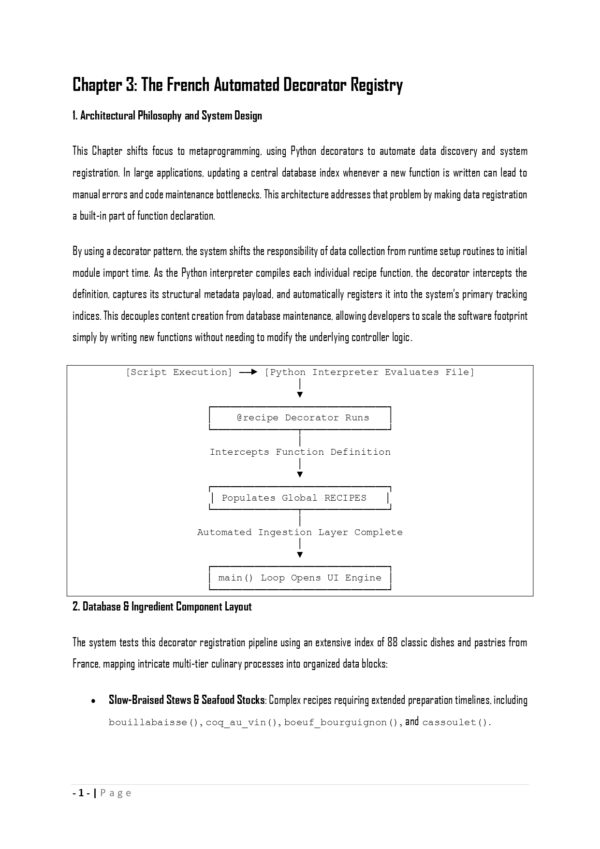
The French Automated Decorator Registry introduces an important Python programming concept: decorators. Through a recipe-registration system, readers can understand how decorators can automate the registration of functions and metadata, reducing repetitive manual database or index-management tasks. The chapter demonstrates how Python decorators can be connected with application architecture and automated data registration.
The book also explores The South Korean Live State Global Banner and The Chinese Shared Centralized Renderer, continuing the international culinary theme while examining different approaches to organizing application data, program behaviour and reusable programming components.
Throughout the book, the focus remains on understanding how Python code can be used to build a functioning application rather than simply memorizing syntax. Readers encounter concepts such as functions, dictionaries, structured data, application state, command-line interfaces, decorators, data classification, recipe databases, menu systems, measurement handling, search functionality and program execution flow.
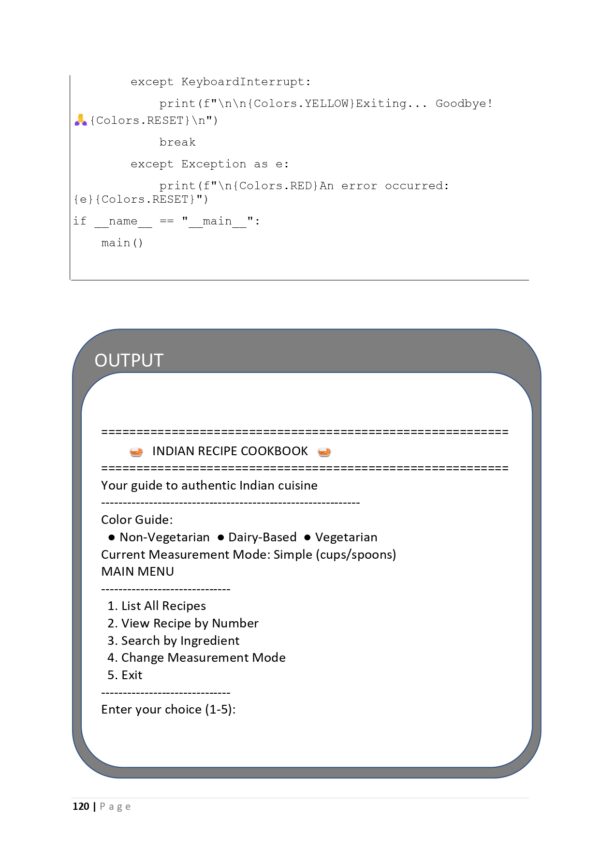
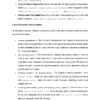
The included code examples and output demonstrations provide a practical connection between Python source code and the behaviour of a working application. This makes the book particularly useful for learners who understand concepts more easily when they are connected to recognizable real-world examples.
With its combination of programming, food, data organization and application design, Alt+Ctrl+Delicious offers a distinctive learning experience for students and beginners who want to understand Python in a practical and engaging way.
Whether you are beginning your Python journey, exploring programming projects, or simply looking for an unconventional way to understand application development, this book turns ingredients into data, recipes into algorithms and cooking into code.